
Mission-based non-profit consulting in the areas of energy, climate, environment, and social equity
Research Highlights
Testimony on Wisconsin Electric and Wisconsin Gas 2026 Rate Case
August 2026
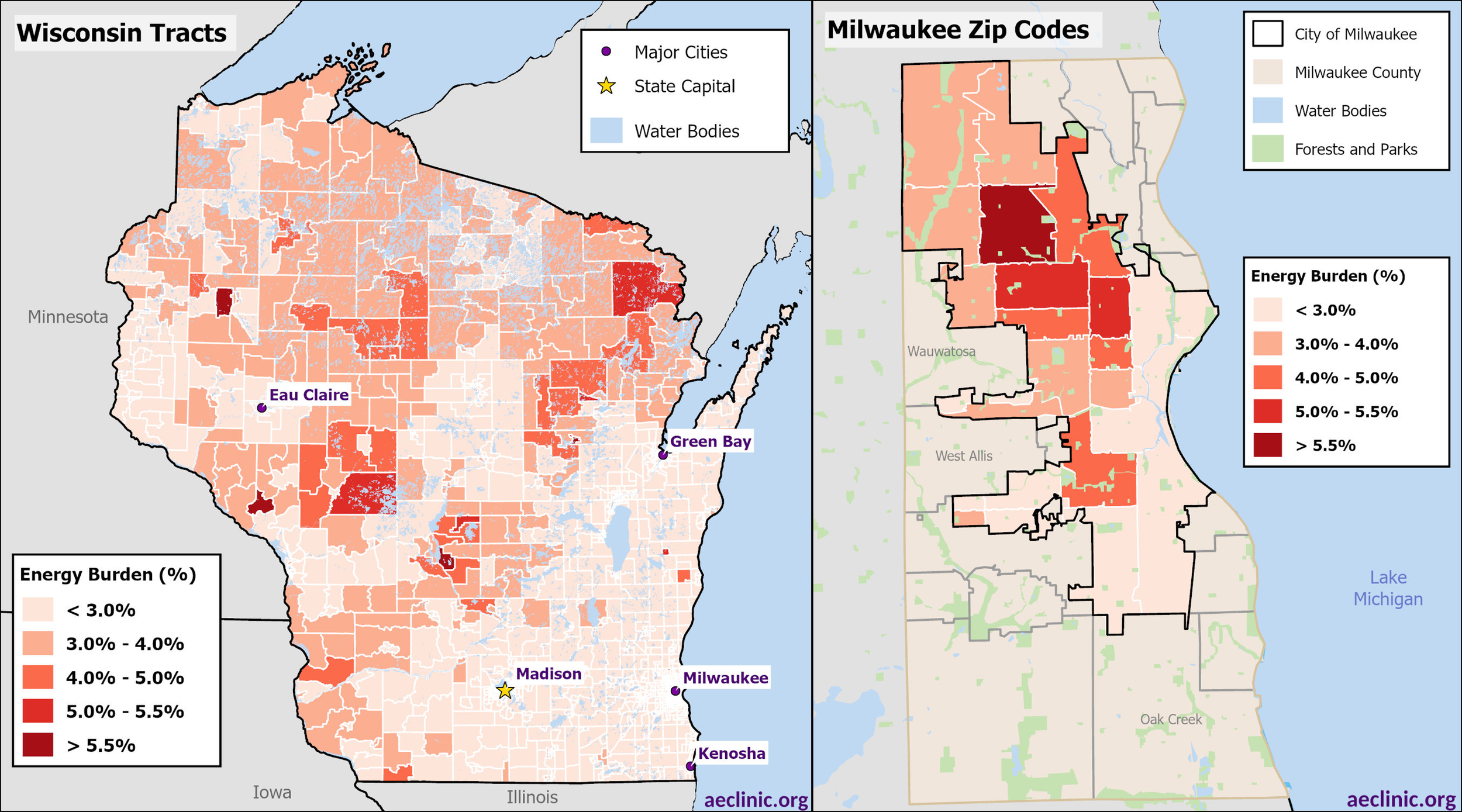
On behalf of Walnut Way Conservation Corp., Principal Economist Dr. Elizabeth A. Stanton prepared expert testimony before the Public Service Commission of Wisconsin in response to the Joint Application filed by Wisconsin Electric Power Company (Wisconsin Electric) and Wisconsin Gas LLC (Wisconsin Gas) (collectively, the “Joint Applicants”) seeking authority to increase electric, natural gas, and steam rates in Docket No. 5-UR-112. Dr. Stanton's testimony (1) evaluates the customer affordability impacts of the Joint Application, with a particular focus on household energy burden and the effect of proposed rate increases on Wisconsin Electric and Wisconsin Gas customers; (2) assesses whether the Joint Applicants have adequately accounted for customer affordability and equity considerations; and (3) provides recommendations for the Commission’s consideration.

Massachusetts Building Sector Model and Policy Analysis
August 2026
On behalf of the Massachusetts Executive Office of Energy and Environmental Affairs (MA EEA), AEC staff assisted Introba and Massachusetts Institute of Technology in the development of the Massachusetts Building Energy Scenario Tool (MassBEST), a flexible modeling platform that integrates building-level energy modeling, adoption and propensity modeling, policy representation, and electric grid impact analysis to support the Commonwealth’s decarbonization decision-making. In this project, AEC designed a heuristic model of commercial clean technology adoption and addressed equity in the MassBEST model in response to the input of Massachusetts agency staff.
Pawtucket Climate Vulnerability Assessment
September 2026
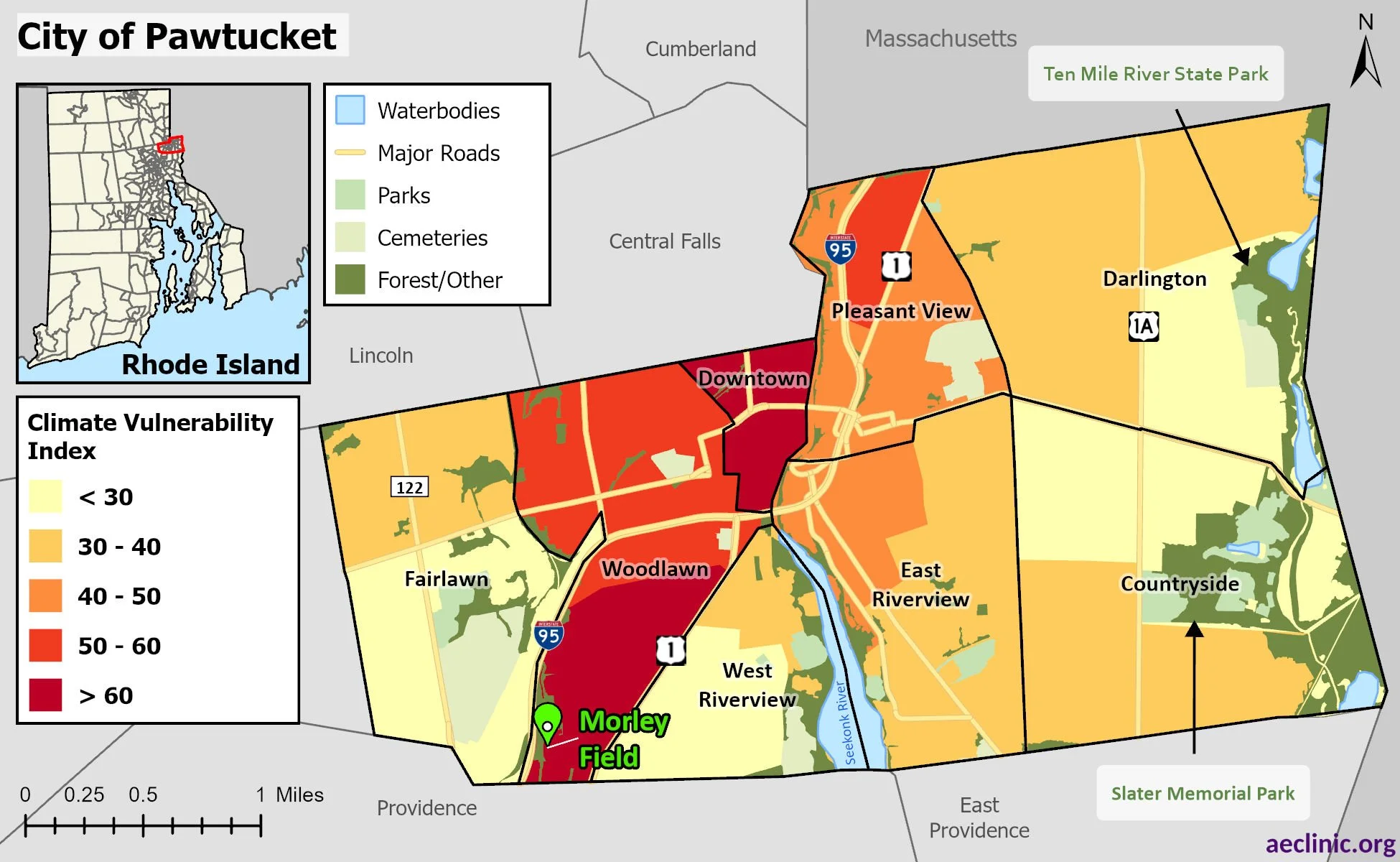
On behalf of Roots2Empower, Researcher Sagal Alisalad, Senior Researcher Tanya Stasio, and Assistant Researcher Elisabeth Seliga, prepared a report assessing climate vulnerability in the City of Pawtucket, Rhode Island. AEC staff developed a Climate Vulnerability Index (CVI) by combining metrics related to social, economic, health, housing, and exposure to climate hazards. The analysis found that Pawtucket’s Downtown and Woodlawn neighborhoods are most vulnerable to climate change impacts, and that residents of Woodlawn, particularly those closest to Morley Field (a now-closed public park sold to developers), are likely to experience more severe impacts from climate change compared to residents in other parts of Pawtucket.
Contact | Address: Applied Economics Clinic, 6 Liberty Sq., PMB 98162, Boston, MA, 02109 | Email: info@aeclinic.org